
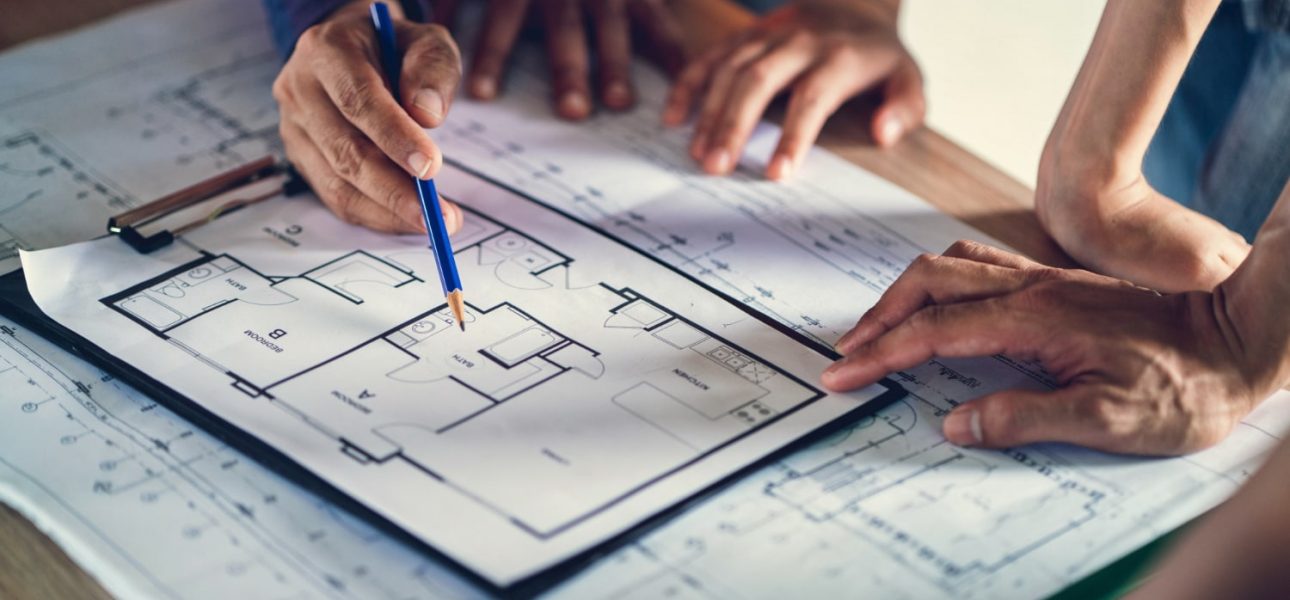
Renovating a commercial building is a significant investment, and careful design and planning are essential to achieving the best possible results. Whether you are modernising an office, retail unit, serviced office or other commercial property, effective planning can help control costs, minimise disruption and create a space that meets the needs of your business.
One of the most important benefits of good design is making better use of the available space. A well-planned commercial building can improve movement, accessibility, storage and the overall working environment. Designers can consider how employees, customers and visitors use the building and create layouts that are practical as well as visually appealing. This is particularly important for businesses that want to accommodate changing working patterns or make better use of limited floor space.
Planning also plays a crucial role in managing renovation costs. Before work begins, it is important to establish a realistic budget and identify the full scope of the project. This can include structural work, electrical systems, plumbing, heating, lighting, flooring, decoration and furniture. Identifying requirements at an early stage can reduce the risk of unexpected expenses and costly changes during construction.
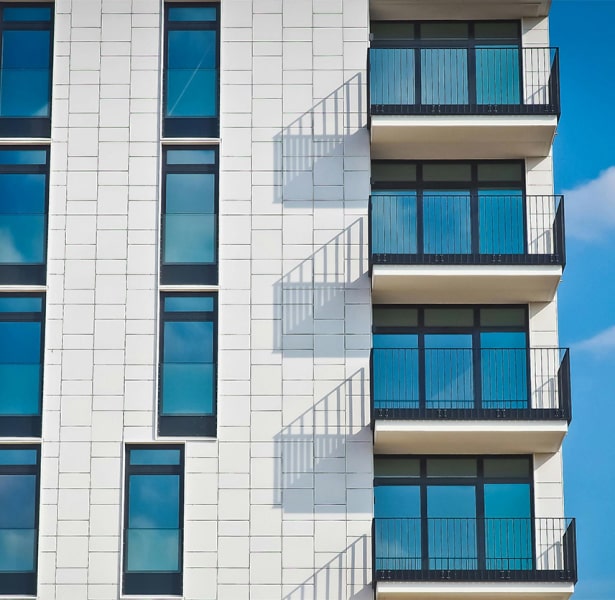

Another key consideration is compliance. Commercial building renovations may need to meet planning, building regulations, fire safety, accessibility and other legal requirements. Addressing these considerations during the design stage can help prevent delays and ensure that the completed building is suitable for its intended use. Depending on the nature and location of the project, professional advice may be required before construction begins.
Good planning can also reduce disruption to business operations. If the building remains partially occupied during renovation, work can be scheduled in stages to minimise the impact on employees and customers. A clear programme can help contractors, suppliers and business owners coordinate their activities and maintain progress towards completion.
Design is also an opportunity to improve energy efficiency and long-term performance. Renovation projects can incorporate efficient lighting, heating and ventilation systems, improved insulation and other measures that may reduce operating costs. Considering these improvements before construction begins can be more efficient than trying to introduce them after the renovation is complete.
Finally, a well-designed commercial building can strengthen a company’s professional image. The appearance, layout and quality of a workplace can influence how customers, employees and business partners perceive an organisation. A modern, comfortable and functional environment can support productivity while creating a positive experience for visitors.
In conclusion, design and planning should be considered fundamental parts of any commercial renovation project. From controlling costs and ensuring compliance to improving functionality, efficiency and appearance, careful preparation provides a stronger foundation for successful refurbishment. Investing time in the planning stage can ultimately help businesses create commercial spaces that are practical, attractive and better suited to their long-term needs.